Editor's Note
This dispatch was filed from the road. Always double-check official sources before traveling.
Most travelers meet Shanghai through the Bund, a headline museum, or a shopping street. That version is real, but it is incomplete. The city is easier to understand through the smaller places that explain how it protects itself, moves people, prints books, sends messages, and keeps the lights on.
That is why Shanghai's hidden museums matter. Many are inexpensive or free, several are easier to visit than people expect, and almost all of them reveal a different layer of the city. Some are perfect for families, some are better for architecture lovers, and some simply explain Shanghai more clearly than a famous landmark ever could.
How to read the city through museums
Do not try to do all 16 in one run. That turns a good idea into a transit problem. Group them by neighborhood and theme instead: downtown for postal, banking, securities, and telecom; Xuhui for weather, music, public security, and traditional medicine; Yangpu for water and rescue; and the far-west industrial museums when you want a bigger half-day trip.
The point is not to collect names. The point is to see how Shanghai became modern.
The city as a system
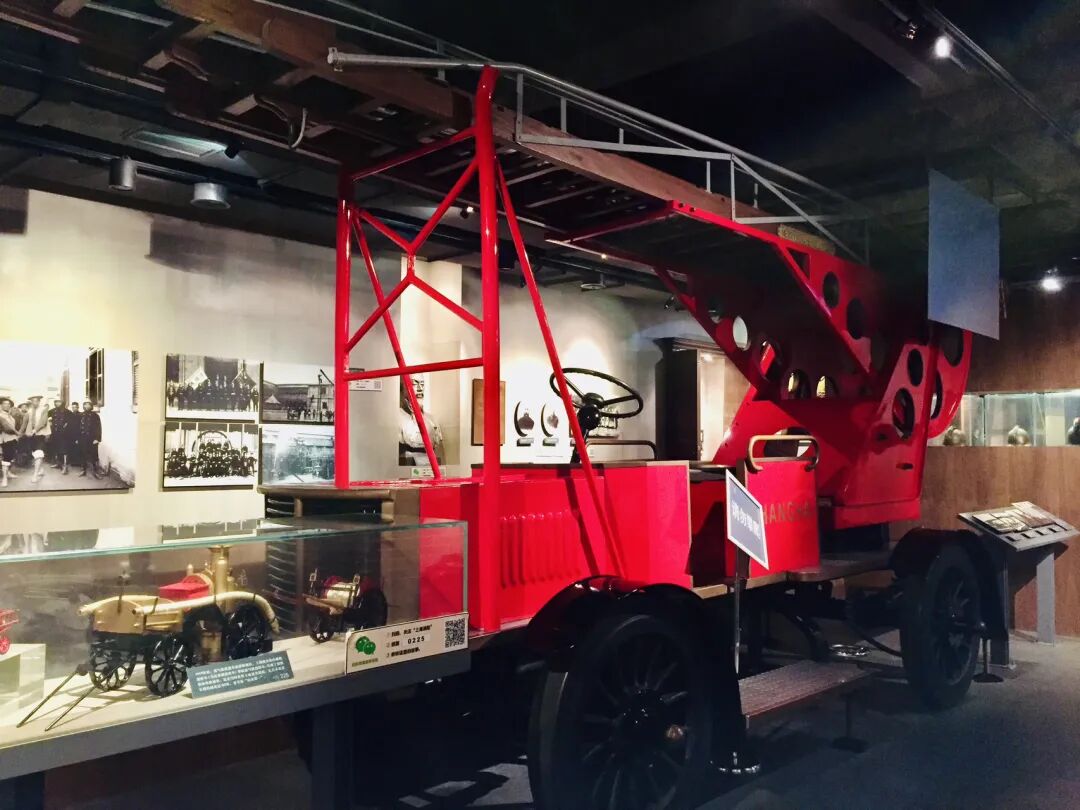
Shanghai Fire Museum is one of the easiest entry points because it shows how Shanghai learned to protect itself while modernizing. The old ladders, pumps, and fire equipment are simple to grasp, which makes the museum approachable for first-time visitors and children alike.
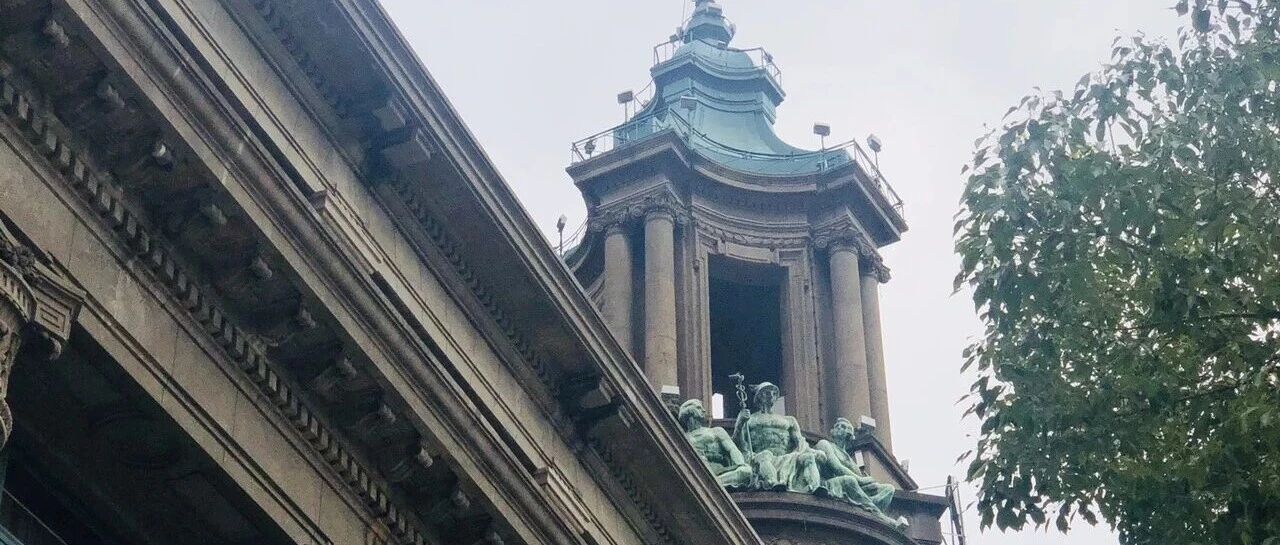
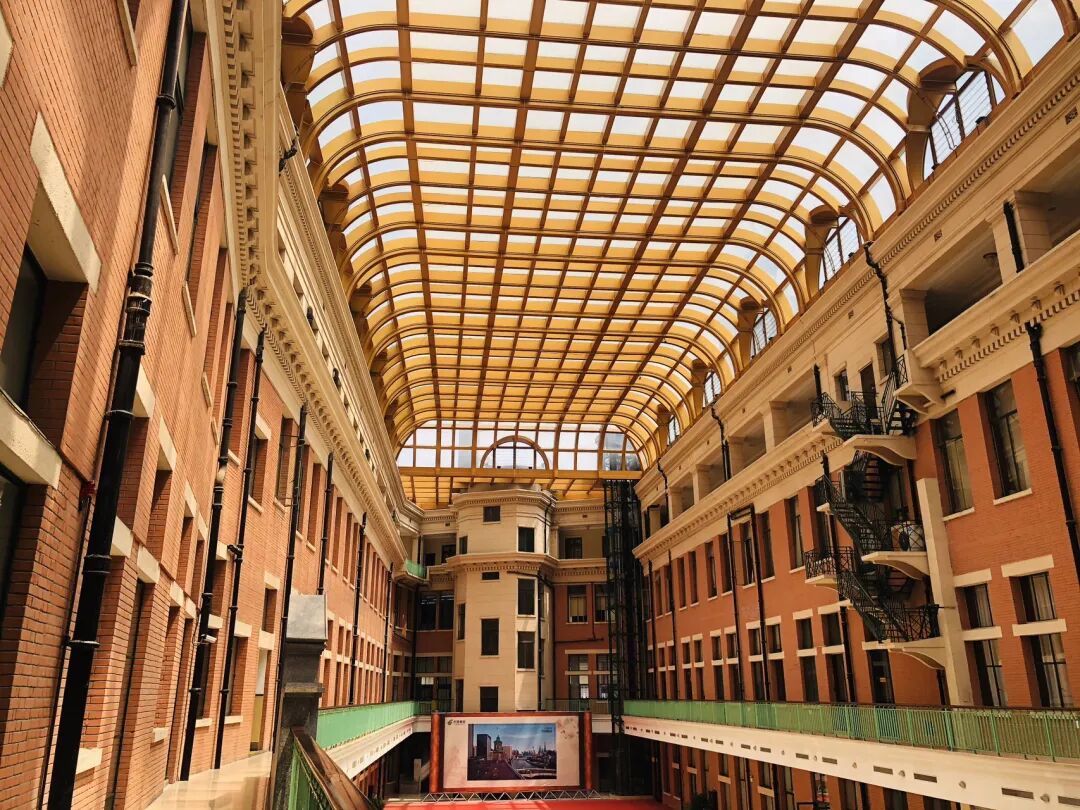
Shanghai Postal Museum is the clearest reminder that Shanghai has always been a city of routes. The building alone is worth the trip, but the real value is the long view from postal relay to modern communication. If you want one museum that helps foreign readers understand the city's historical links to trade and exchange, this is one of the best.
Shanghai Meteorological Museum turns weather into civic history. It sits inside the old Xujiahui observatory, so the building already carries weight. The displays on early instruments, handwritten observation records, and the city's weather-signaling history make it a surprisingly strong stop.
Shanghai Waterworks Science Museum is a good example of why these smaller museums work. It explains how Shanghai built a modern water system and why that mattered for a rapidly growing city. The story sounds technical, but the museum makes it feel concrete.
Shanghai Telecom Museum is the communication version of the same story. From telegraph-era discipline to the mobile-phone age, it shows how Shanghai moved from manual messaging to modern networks. For overseas visitors, that is a direct way to understand the city's pace of change.
Movement, engineering, and rescue
Shanghai Metro Museum is currently closed for renovation, but it still deserves a mention because it captures the engineering ambition behind one of the world's busiest metro systems. When it reopens, it will be one of the most useful deep-dive transport museums in the city.
Shanghai Auto Museum in Jiading is the place for people who like machines, design, and industrial history. It is large, it has a lot of material, and it gives you a broader view of how the automobile changed not just travel, but modern urban life itself.
China Rescue Exhibition Hall is one of the more unexpected entries on the list. It documents rescue and salvage work in a way that is serious and memorable. If you like engineering stories with a real-world edge, this museum stands out.
Money, order, and the public city
Shanghai-Hong Kong Banking History Exhibition Hall lets you step into a bank building that feels much grander than its practical function. The old vault, the art-deco interior, and the sense that you are inside a working financial landmark make it one of the city's more photogenic museum stops.
China Securities Museum is useful because it explains how modern Chinese finance took shape in Shanghai. The museum is more informative than dramatic, but that is exactly why it matters. Shanghai's financial identity is easier to understand once you see where the market actually started.
Shanghai Public Security Museum is a more mixed experience, but it is still a serious city museum. It covers policing, public security, and some of the harder stories in urban history. For visitors who want to understand Shanghai as a real working city, that makes it relevant.
Shanghai Modern and Contemporary Publishing Museum is the most family-friendly museum in this group. The children's publishing section is especially good because it frames the story of books, illustration, and reading culture in a way that is easy to grasp even if you do not read Chinese.
Craft, culture, and a softer Shanghai
Shanghai Glass Museum is one of the more visually playful choices on the list. It mixes industrial history, art, and craft, which makes it good for visitors who want a museum that feels less textbook and more experiential.
Shanghai Textile Museum tells the story of Shanghai as a manufacturing city before it became a service and consumption city. That shift is important. Without the textile industry, Shanghai's rise would make much less sense.
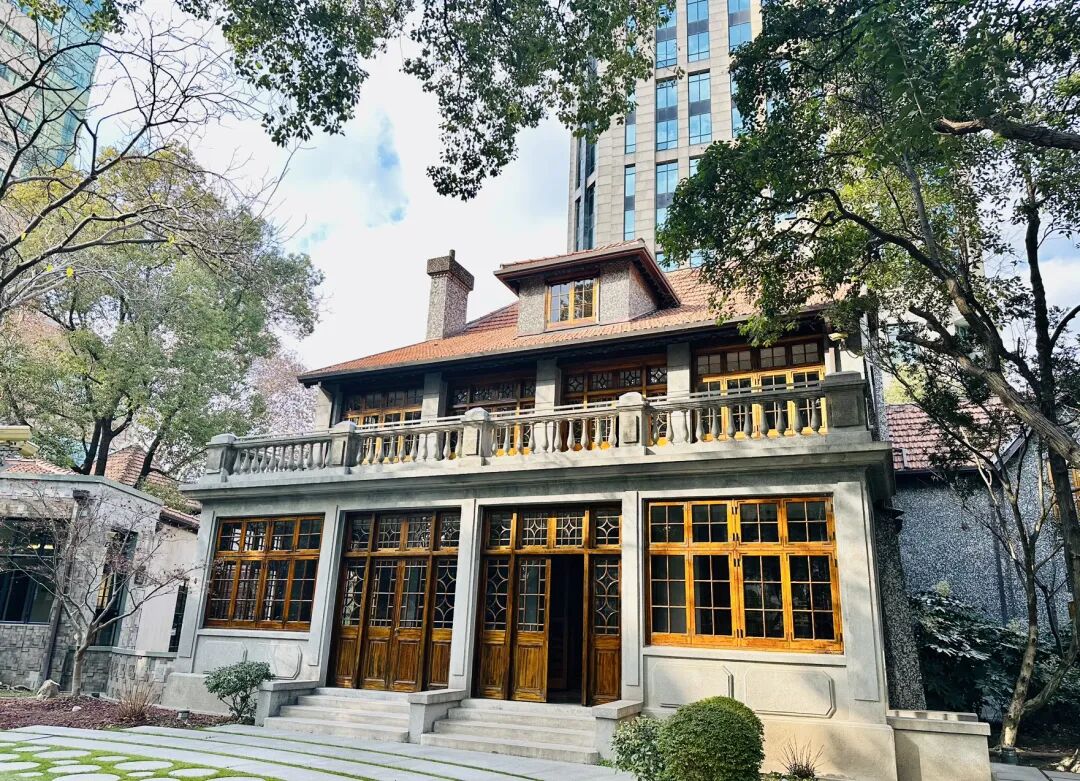
Shanghai Symphony Music Museum is a quiet highlight because the building itself is part of the experience. The old garden-house setting gives the museum more atmosphere than many bigger institutions, and the music history is easy to follow.
Shanghai Traditional Chinese Medicine Museum is currently closed for renovation, but it remains one of the most interesting ways to understand the city through health, herbs, and medical history. When it reopens, it will again be one of the strongest specialty museums in Shanghai.
A practical day plan
If you only want a few stops, do not overthink it. For a downtown day, pair the Postal Museum with the Banking History Exhibition Hall and the Securities Museum. For a more infrastructure-heavy day, group the Fire Museum, the Telecom Museum, and the Waterworks Museum. If you want a culture-and-craft block, do Glass, Textile, and Symphony in one slower route.
The best version of this list is not the one that checks off the most museums. It is the one that makes Shanghai feel legible.
At a glance
Hours and access can change, so treat the details below as a planning guide and confirm before you go.
- Shanghai Fire Museum - 229 Zhongshan West Road, Changning District. 9:30 am to 4:30 pm, last entry 4:00 pm, closed Monday.
- Shanghai Glass Museum - 685 Changjiang West Road, Baoshan District. 10:00 am to 5:00 pm, last entry 4:30 pm, closed Monday. Paid admission.
- Shanghai Metro Museum - 1779 Wuzhong Road, Minhang District. Currently closed for renovation.
- Shanghai Auto Museum - 7565 Boyuan Road, Anting Town, Jiading District. 9:30 am to 4:30 pm, last entry 4:00 pm, closed Monday.
- Shanghai Public Security Museum - 518 Ruijin South Road, Xuhui District. 9:00 am to 4:30 pm, last entry 4:00 pm, closed Monday.
- Shanghai-Hong Kong Banking History Exhibition Hall - 299 Sichuan Middle Road, Huangpu District. Tuesday, Thursday, and Saturday, 9:30 am to 4:00 pm.
- Shanghai Postal Museum - 258 Beisuzhou Road on Wednesday, Thursday, and Saturday; 395 Tiantong Road on Sunday. 9:00 am to 5:00 pm, last entry 4:00 pm.
- Shanghai Meteorological Museum - 166 Puxi Road, Xuhui District. Entry by appointment, with short guided time slots; closed Monday.
- Shanghai Textile Museum - 128-150 Macau Road, Putuo District. 9:30 am to 4:00 pm, last entry 3:30 pm, closed Monday.
- Shanghai Modern and Contemporary Publishing Museum - 3678 Zhoujiazui Road, Yangpu District. 9:00 am to 5:00 pm, last entry 4:00 pm, closed Monday.
- China Rescue Exhibition Hall - 1426 Yangshupu Road, Yangpu District. Open Tuesday, Thursday, and Saturday, 9:00 am to 4:00 pm.
- Shanghai Waterworks Science Museum - 830 Yangshupu Road, Yangpu District. Tuesday only, with morning and afternoon sessions by appointment.
- Shanghai Traditional Chinese Medicine Museum - 1200 Cailun Road, Pudong. Currently closed for renovation.
- China Securities Museum - 15 Huangpu Road, Hongkou District. 9:30 am to 4:00 pm, last entry 3:30 pm, closed Monday.
- Shanghai Telecom Museum - 34 Yan'an East Road, Huangpu District. Weekend only for individual visitors; weekdays by team appointment.
- Shanghai Symphony Music Museum - 3 Baoqing Road, Xuhui District. 9:30 am to 4:30 pm, last entry 4:00 pm, closed Sunday and Monday.
Bottom line
Shanghai's hidden museums are not hidden because they are minor. They are hidden because they are practical, specialized, and easy to overlook if you only look for blockbuster attractions. That is exactly why they are worth visiting. They explain the city through systems, not slogans.
About the Author
Marcus Chen
Beijing-based travel writer since 2019. Writes museum stories for people who want the practical version, not the brochure version.