Editor's Note
This dispatch was filed from the road. Always double-check official sources before traveling.
One year after China's visa-free policy for five South American countries took effect, Shanghai's role as an entry point for foreign visitors is getting clearer. The headline is not just that people are coming. It is that they are staying longer, moving beyond the standard photo-op itinerary, and using Shanghai as the start of a deeper China trip.
From quick stops to longer stays
The shift is important because it changes what kind of city Shanghai becomes for visitors. A short “check in, take a picture, leave” trip is very different from a stay where people actually walk neighborhoods, eat locally, and use the city as a base for the rest of the journey.
That is exactly the transition Shanghai wants. The city already works well as a first landing point. What is changing now is the quality of the time visitors spend here.
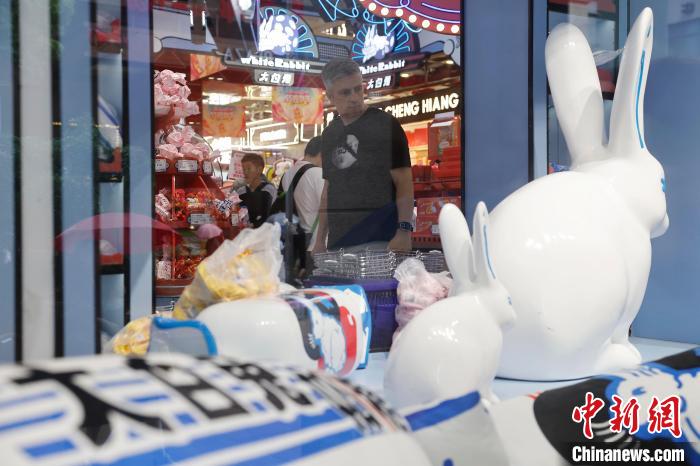
Why Shanghai benefits first
Shanghai has the mix that inbound travelers need most: strong international connectivity, a familiar city image, and enough daily infrastructure to make a first trip feel easy. That matters for South American travelers in particular, because long-haul trips reward places that reduce friction immediately.
In practical terms, that means hotels, transport, translation, payment systems, and simple route planning all matter as much as the sights themselves. Shanghai can deliver that better than most cities in China.
What “deep experience” looks like
Deep experience does not mean overpacking the itinerary. It means people are spending more time in the city and using it in a more grounded way: a museum morning, a neighborhood lunch, a river walk at night, then a slower second day that reaches beyond the postcard route.
That pattern is good for the city and better for visitors. It creates room for local spending, better storytelling, and more realistic memories than a rushed landmark checklist.

Why the policy matters after one year
A policy only matters if it changes behavior. In this case, the first-year signal is that travelers are not just using the visa-free lane to enter faster. They are using it to make the whole trip feel more possible.
That is why the story is bigger than one policy. It is about how Shanghai and the wider China travel market respond when entry becomes easier and the trip itself becomes more appealing.
Shanghai as the first chapter
For many foreign visitors, Shanghai is the city that makes the rest of China feel accessible. It has enough global familiarity to reduce anxiety, but enough local texture to feel distinct. That combination is exactly what a first entry city should do.
If the first visit becomes comfortable, the next one becomes ambitious. That is how inbound tourism grows in a way that lasts.
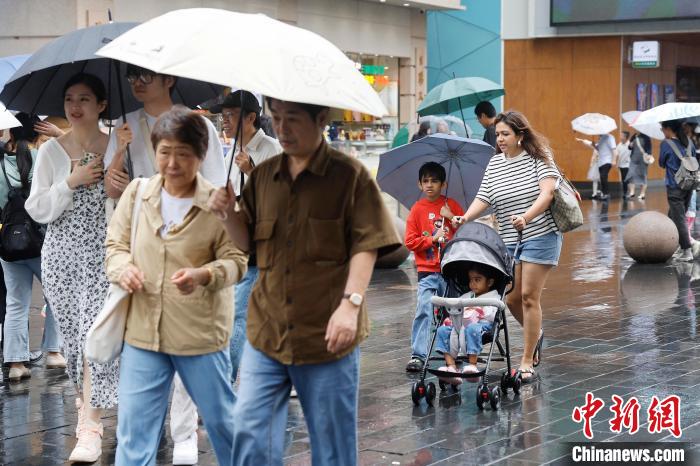
Bottom line
China's visa-free policy for five South American countries has now been in place for a year, and Shanghai is seeing the effect where it matters most: at the port, in the hotels, and on the streets. Visitors are moving beyond the quick “打卡” model and into a slower, deeper version of the city.
That is the right direction. If Shanghai can keep turning first arrivals into real stays, the city will remain one of the strongest inbound gateways in China.
About the Author
Marcus Chen
Beijing-based travel writer since 2019. Writes practical stories for foreign visitors who want the real travel picture, not the slogan version.