Editor's Note
This dispatch was filed from the road. Always double-check official sources before traveling.
If you want to understand Shanghai in 2026, do not treat it as one city. Treat it as a set of walkable moods. The old French Concession feels nothing like the North Bund. Suzhou Creek is a different story from People's Square. That is why a 50-stop citywalk list is useful: it gives you enough material to build your own route without reducing the city to a single postcard.
How to use this list
Don't try to do all 50 in one trip. Use them as a menu. Pick one district, one line of light, and one reason to keep walking. Shanghai works best when you build the day around a few strong anchors instead of trying to check everything off at once.
The list below is grouped by area so you can mix old facades, river views, commercial streets, and quieter corners in a way that actually makes sense on foot.
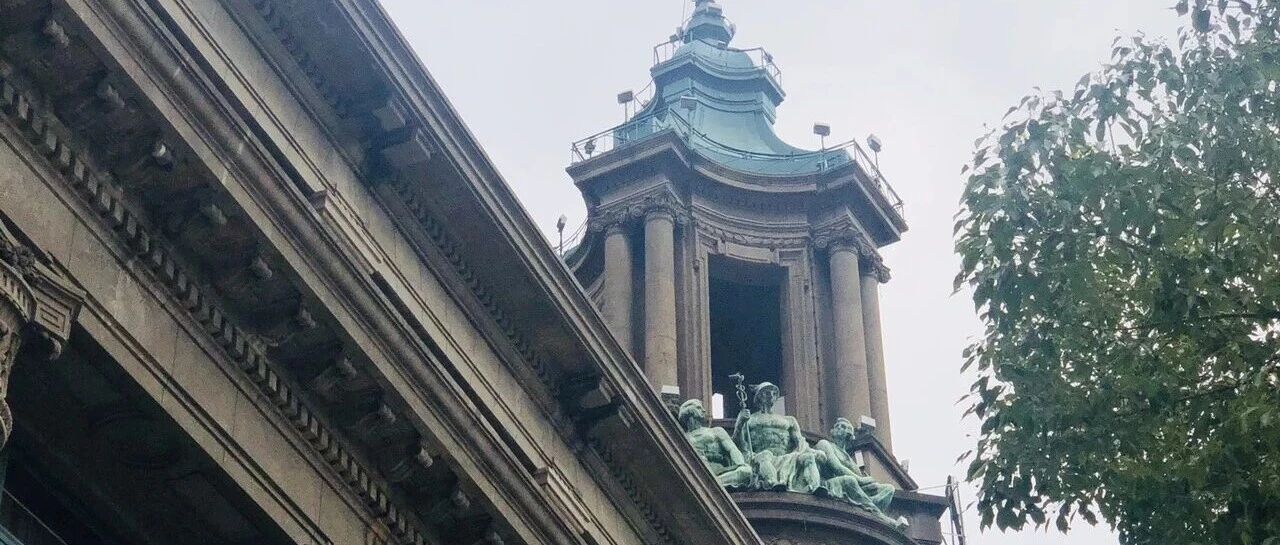
1. Old Shanghai and the Bund edge
- Yu Garden
- City God Temple area
- Fuyou Road snacks street
- Shiliupu area
- Bund promenade
- Waibaidu Bridge
- Broadway Mansions
- Jiujiang Road
- East Nanjing Road pedestrian street
- People's Square
This is the citywalk core for first-time visitors. You get the old river-city layer, the commercial center, and the classic skyline views without crossing the city too much.
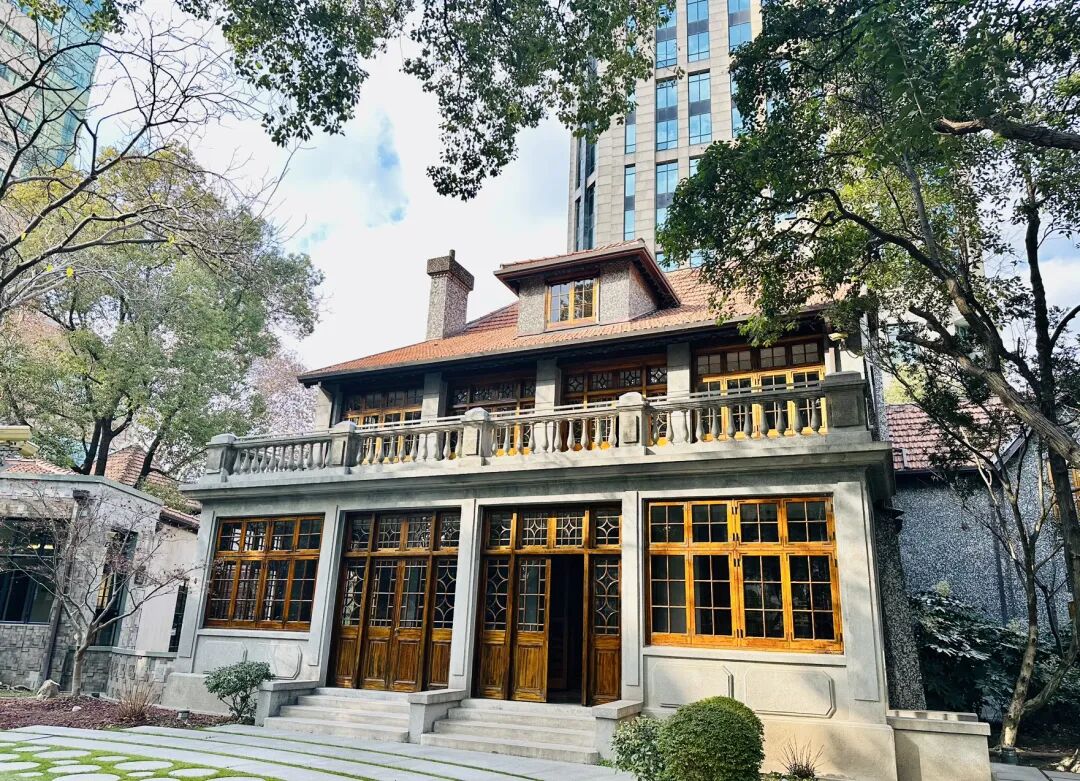
2. French Concession and design streets
- Wukang Mansion
- Wukang Road
- Anfu Road
- Xinhua Road
- Fuxing Middle Road
- Julu Road
- Changle Road
- Hunan Road cafes
- Sinan Mansions
- Fuxing Park
This is the best zone for a slower walk. It rewards side streets, old plane trees, and short pauses. If the Bund is Shanghai as a stage, the French Concession is Shanghai as a lived-in neighborhood.
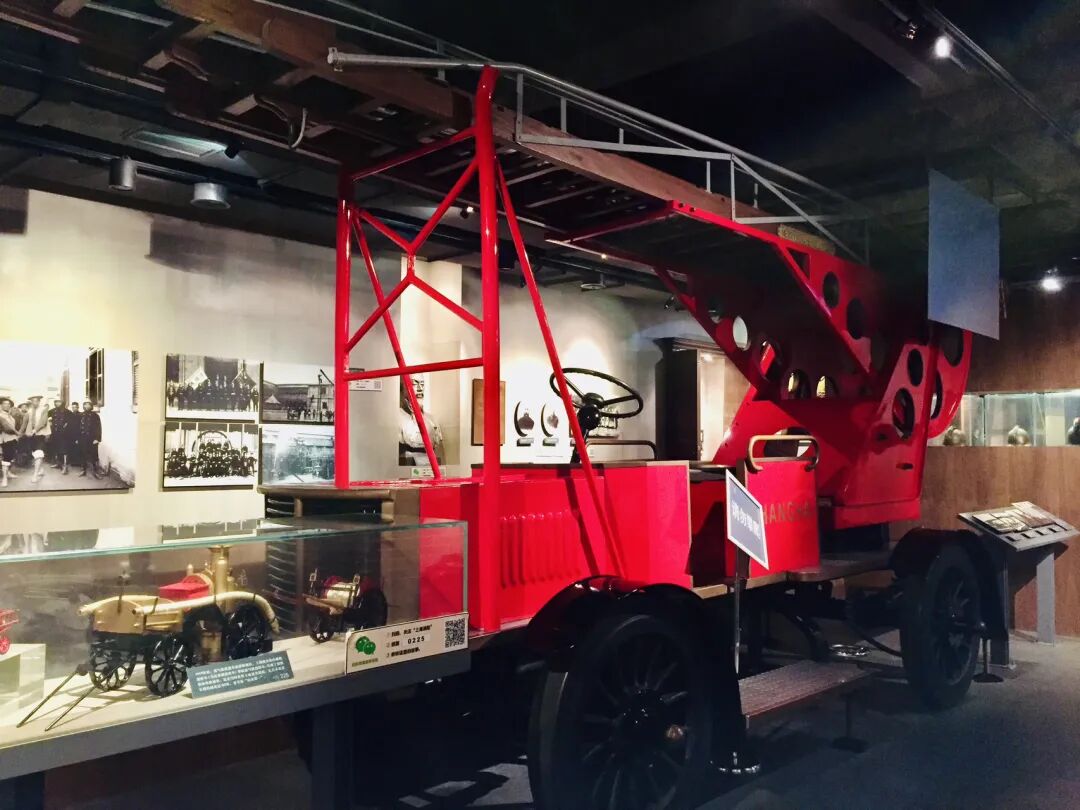
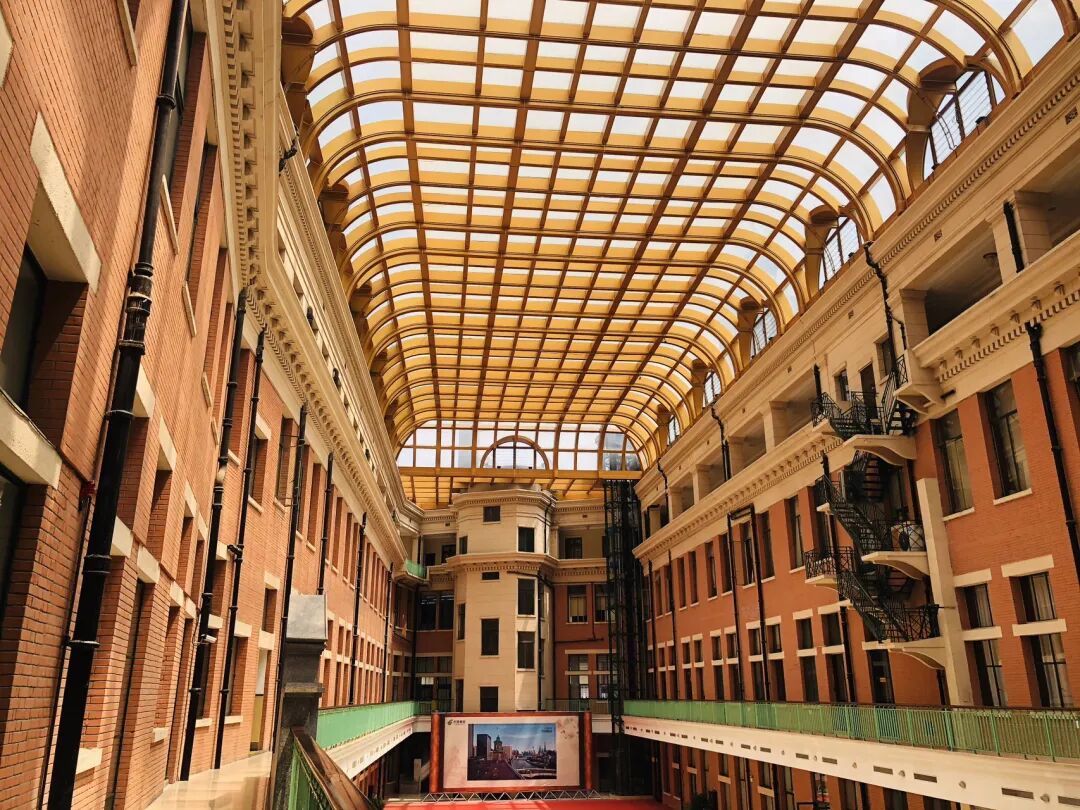
3. Suzhou Creek and heritage-industrial Shanghai
- North Bund waterfront
- Shanghai Postal Museum
- Suzhou Creek promenade
- General Post Office area
- Bridge crossings near the creek
- Rockbund
- Beijing East Road river crossings
- Bund Origin area
- North Suzhou Road
- Qipu Road edge streets
This corridor is one of the city's best answers to “old meets new.” It gives you warehouses, bridges, river bends, and a more urban-texture version of Shanghai that feels less polished than the Bund and more rewarding because of it.
4. West Bund and riverfront culture
- West Bund art district
- Long Museum West Bund
- West Bund riverside path
- Longhua Temple area
- Xuhui Riverside
- Shanghai Oil Tank Art Center
- Dream Center
- Yuz Museum area
- Binjiang Avenue stretches
- Riverfront bike path
If you want a more contemporary Shanghai walk, this is the zone. It is broader, more open, and better for long views. The city becomes less about tight streets and more about breathing room.
5. Pudong and the modern skyline
- Lujiazui
- Jin Mao Tower base
- Shanghai World Financial Center area
- Shanghai Tower plaza
- Binjiang Avenue Pudong stretch
- Binjiang greenway
- Shanghai Library East area
- Century Avenue transfer zone
- Shangcheng Road neighborhood edges
- North Bund night view finish
Pudong is where Shanghai stops asking for explanation and just becomes itself: tall, reflective, and very easy to photograph after dark. Use this section when you want skyline drama rather than heritage mood.
What to remember
The smartest citywalk in Shanghai is not the one with the most stops. It is the one that understands pacing. Ten places in one district will usually beat twenty places scattered across the map. If you build your day around one or two of these clusters, Shanghai will feel much easier to read.
And that is the real point of the list. Not to count. To move.
Bottom line
These 50 Shanghai citywalk check-in spots are not meant as a strict itinerary. They are a working map for 2026. Use them to shape a morning, a half-day, or a full evening, and let the city do the rest.
About the Author
Liam Walker
Former architecture and urbanism journalist from the UK, now based in East Asia. Focused on walkable routes, skyline logic, and urban photography.